

Honda Civic: How Does the Engine Reach Operating Temperature?
The engine in the Honda Civic reaches its normal operating temperature through a carefully controlled cooling system that balances heat generation with heat dissipation. During a cold start, coolant circulates primarily within the engine, allowing combustion heat to raise engine temperature efficiently. As the engine warms, the thermostat gradually opens to direct coolant through the radiator, where excess heat is released before the coolant returns to the engine.
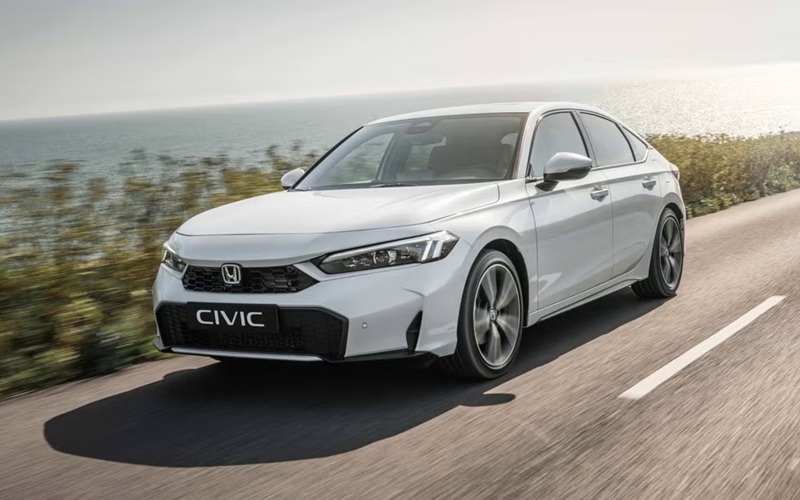
2026 White Honda Civic
The engine control module (ECM) continuously monitors coolant temperature using dedicated sensors and adjusts fuel delivery, ignition timing, idle speed, and cooling fan operation to support efficient warm-up and stable operating conditions. This process is particularly important in Canada, where low ambient temperatures can significantly affect warm-up time and overall engine performance.
Rather than allowing the engine to heat or cool without regulation, the Honda Civic cooling system is designed to maintain a relatively stable operating temperature under a wide variety of driving conditions, including urban commuting, highway travel, and extended winter operation.
Honda Civic Engineering
Engine Cooling System Design
The Honda Civic uses a liquid-cooled engine designed to maintain consistent operating temperatures regardless of outside weather conditions.
Depending on the model year and trim, Canadian-market Civics may be equipped with either a naturally aspirated 2.0-litre four-cylinder engine or a turbocharged 1.5-litre four-cylinder engine. Although these engines differ in output and induction systems, both rely on the same fundamental cooling principles.
The cooling system consists of several integrated components, including:
- thermostat
- water pump
- radiator
- engine coolant passages
- cooling fans
- engine coolant temperature sensor
- coolant reservoir
- hoses and connections
- ECM-controlled electronics
Each component helps maintain engine temperature within the intended operating range while preventing both overheating and excessive cooling.
Thermostat Operation
The thermostat is one of the most important components controlling engine warm-up. When the engine is started after sitting for several hours, the thermostat remains closed. This prevents coolant from flowing through the radiator. Instead, coolant circulates only through the engine block and cylinder head, allowing combustion heat to accumulate more rapidly. As coolant temperature increases, the thermostat gradually opens. Rather than functioning as a simple on-off valve, it progressively regulates coolant flow according to engine temperature.
Once normal operating temperature is reached, the thermostat continuously adjusts its opening position to maintain thermal stability under changing driving conditions. Without proper thermostat operation, the Honda Civic may either warm up too slowly or experience elevated operating temperatures.
Coolant Circulation
Engine coolant absorbs heat generated during combustion and transports it throughout the cooling system.
The Honda Civic coolant passages are engineered to cool critical areas including:
- cylinder walls
- combustion chambers
- exhaust valve regions
- cylinder head
- turbocharger cooling passages on turbocharged models
During warm-up, coolant circulates internally within the engine.
After the thermostat opens, heated coolant flows through the upper radiator hose into the radiator. Once cooled, it returns through the lower hose before repeating the cycle. Maintaining consistent coolant circulation helps prevent localized hot spots while ensuring uniform engine temperatures.
Water Pump
The water pump provides continuous coolant circulation throughout the engine. Driven mechanically or through an accessory belt depending on engine configuration, the pump maintains coolant flow whenever the engine operates.
Its impeller creates the pressure required to move coolant through:
- engine passages
- heater core
- radiator
- thermostat housing
Pump output increases with engine speed, allowing greater coolant circulation during higher-load driving. Proper water pump performance is essential because restricted coolant flow can lead to uneven engine temperatures and reduced cooling efficiency.
Radiator
The radiator removes excess heat from the coolant before it re-enters the engine. As coolant passes through narrow tubes inside the radiator, outside air removes heat through numerous cooling fins.
Airflow comes from:
- vehicle movement
- electric cooling fans
The radiator’s size and construction are engineered specifically for the Honda Civic engine output and expected operating conditions, including extended highway driving and stop-and-go traffic.
Cooling Fans
Electric cooling fans supplement natural airflow whenever additional cooling is required.
The ECM activates one or more cooling fans according to:
- coolant temperature
- air conditioning operation
- engine load
- vehicle speed
At highway speeds, airflow through the radiator is generally sufficient without continuous fan operation. During low-speed driving or while stationary, the cooling fans provide additional airflow to maintain stable engine temperatures. The fans automatically switch on and off as required.
Engine Coolant Temperature Sensor
The engine coolant temperature sensor continuously measures coolant temperature. This information is transmitted to the ECM many times each second.
The ECM uses this data for numerous functions including:
- fuel injection adjustments
- ignition timing
- idle speed control
- cooling fan activation
- emissions management
- diagnostic monitoring
Accurate temperature information allows the engine to transition smoothly from cold-start operation to normal operating conditions.
ECM Temperature Management
The Honda Civic ECM manages engine temperature indirectly by coordinating multiple vehicle systems. Rather than simply responding to overheating, it actively adjusts engine operation throughout the warm-up process.
Examples include:
- enriching the air-fuel mixture during cold starts
- increasing idle speed after startup
- modifying ignition timing
- monitoring thermostat performance
- activating cooling fans
- evaluating diagnostic information
The ECM also performs self-diagnostic routines that can identify abnormal temperature behaviour if coolant warms too slowly or reaches unusually high temperatures.
System Operation
When the Honda Civic is started after being parked, combustion begins generating heat immediately. Initially, the thermostat remains closed. This allows coolant to circulate only within the engine, helping the operating temperature rise efficiently. During this period, the ECM operates the engine using cold-start calibration.
Fuel delivery is temporarily richer than during normal operation to improve combustion stability while engine components are still cold. Idle speed is also elevated briefly to support faster warm-up. As coolant temperature increases, the thermostat begins opening. Coolant then flows into the radiator, where heat is transferred into the surrounding air. The cooling fans remain off unless additional airflow becomes necessary.
Once normal operating temperature is achieved, the ECM transitions the engine into standard operating calibration. Fuel injection becomes more precise, emissions control reaches maximum effectiveness, and fuel efficiency improves. Throughout normal driving, the thermostat constantly adjusts coolant flow while the cooling fans cycle automatically whenever required. This continuous regulation allows the Honda Civic to maintain a relatively stable operating temperature despite changes in outside temperature, engine load, traffic conditions, or vehicle speed.
Effects of Extremely Cold Canadian Weather
Canadian winters significantly influence engine warm-up characteristics.
When ambient temperatures fall well below freezing:
- engine oil becomes more viscous
- coolant begins at a much lower temperature
- cabin heating demand increases
- combustion components require additional time to warm
As a result, the Honda Civic generally requires more time to reach full operating temperature than during warmer seasons.
Short trips may end before complete warm-up occurs. Repeated short-distance driving in extremely cold weather may therefore reduce fuel efficiency because the engine remains in warm-up calibration for a greater portion of each trip. Using the cabin heater also draws heat from the cooling system through the heater core. Although the cooling system is designed to compensate for this, cabin heating can slightly extend warm-up time during very cold weather.
Modern Honda Civic engines are engineered to achieve normal operating temperature efficiently even in winter while protecting engine components from excessive thermal stress.
Common Issues
Most Honda Civic cooling systems operate reliably with routine maintenance, but several conditions can affect normal operating temperature.
Common causes of slow warm-up include:
- thermostat stuck open
- low coolant level
- inaccurate temperature sensor readings
A thermostat that remains partially open allows coolant to circulate through the radiator too early, slowing engine warm-up.
Common causes of elevated operating temperature include:
- thermostat stuck closed
- coolant leaks
- failing water pump
- blocked radiator passages
- cooling fan malfunction
- damaged radiator fins
- air trapped within the cooling system
Electronic faults may also affect temperature management. For example, an engine coolant temperature sensor providing inaccurate information can cause improper cooling fan operation or incorrect fuel management during warm-up. If overheating occurs, the instrument cluster may display a temperature warning indicator or other related alerts depending on model year. Ignoring persistent temperature warnings can increase the risk of engine damage.
Routine inspections help identify developing cooling system issues before they affect engine operation.
These inspections commonly include:
- coolant condition
- hose integrity
- radiator condition
- thermostat operation
- water pump inspection
- cooling fan performance
- electrical connector condition
- coolant reservoir level
Keep Your Civic in the Best Shape
During scheduled maintenance at Mississauga Honda, technicians may inspect coolant condition, verify thermostat operation, evaluate cooling fan performance, and confirm that engine temperature readings remain within Honda specifications. These inspections help ensure consistent engine temperature regulation throughout changing Canadian seasons.
If diagnostic testing identifies abnormal warm-up behaviour or unstable operating temperatures, Mississauga Honda can evaluate the cooling system, electronic controls, and temperature sensors to determine which component requires further inspection or replacement while maintaining compatibility with the Honda Civic factory cooling strategy.
Honda Civic FAQ
1. Why does the Honda Civic warm up more slowly during Canadian winters?
Lower ambient temperatures reduce the initial temperature of engine components and coolant, requiring additional time for the engine to reach its intended operating temperature.
2. What role does the thermostat play in engine warm-up?
The thermostat restricts coolant flow through the radiator during startup, allowing the engine to heat more quickly before gradually increasing coolant circulation.
3. When do the Honda Civic cooling fans operate?
The ECM activates the electric cooling fans when coolant temperature, air conditioning demand, or operating conditions require additional airflow through the radiator.
4. Can a faulty coolant temperature sensor affect engine performance?
Yes. Incorrect temperature readings can influence fuel delivery, ignition timing, cooling fan operation, idle speed, and diagnostic monitoring.
5. What are common signs of abnormal engine operating temperature?
Symptoms may include unusually slow warm-up, overheating warnings, fluctuating temperature readings, reduced cabin heat, cooling fans operating continuously, or coolant loss requiring further inspection.
*Disclaimer: Content contained in this post is for informational purposes only and may include features and options from US or internacional models. Please contact the dealership for more information or to confirm vehicle, feature availability.*